Articles on lighting
Practical English guides to lighting design, LED technology, lux levels and light quality. Start with a question below, then read the full article for examples, limitations and sources.
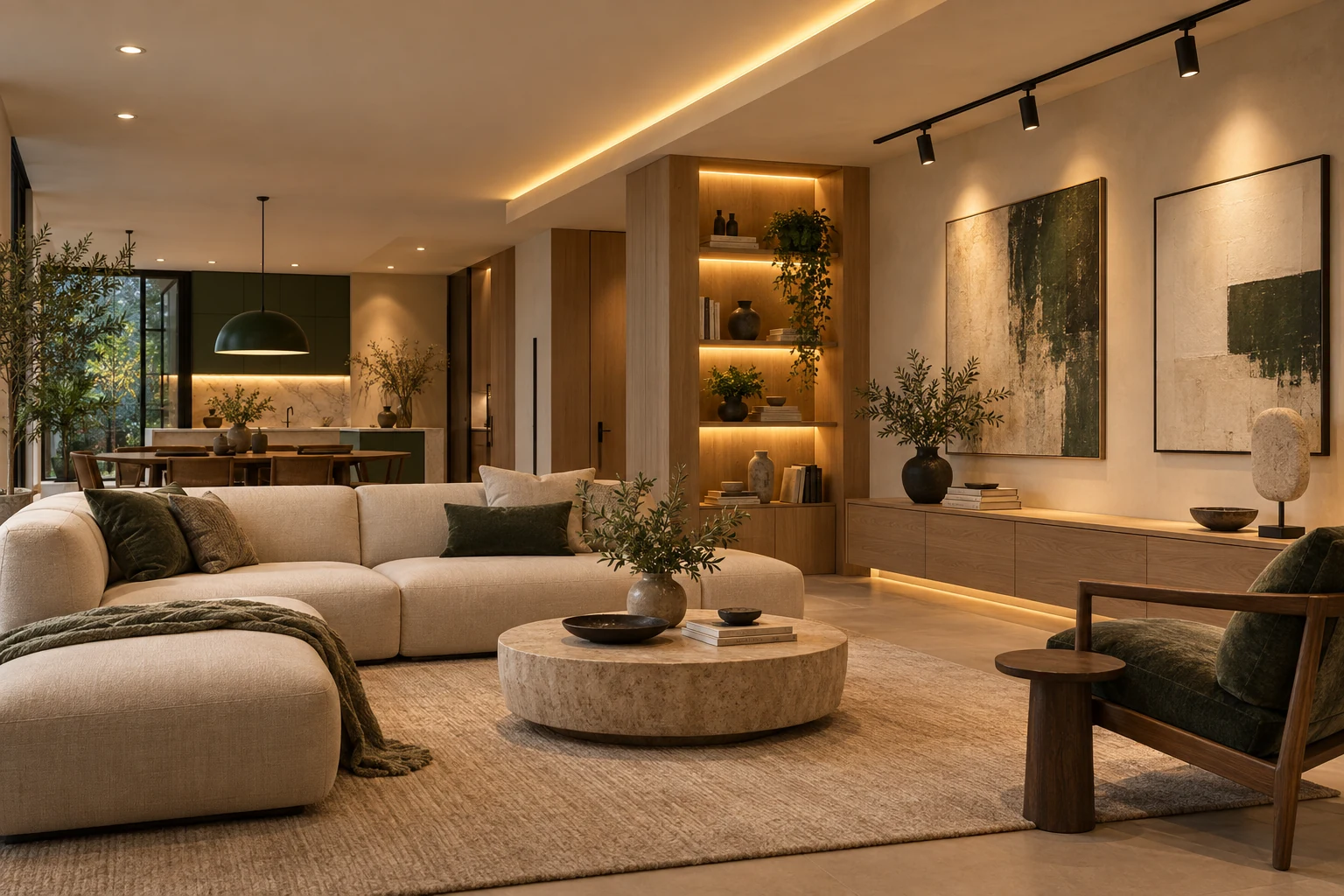
Downlights, track lights and LED strips: which should you choose?
Compare what each light does, where it works best and what to check in the product specification.
Read the guide →Start with the basics
Learn the terms that make specifications easier to compare.
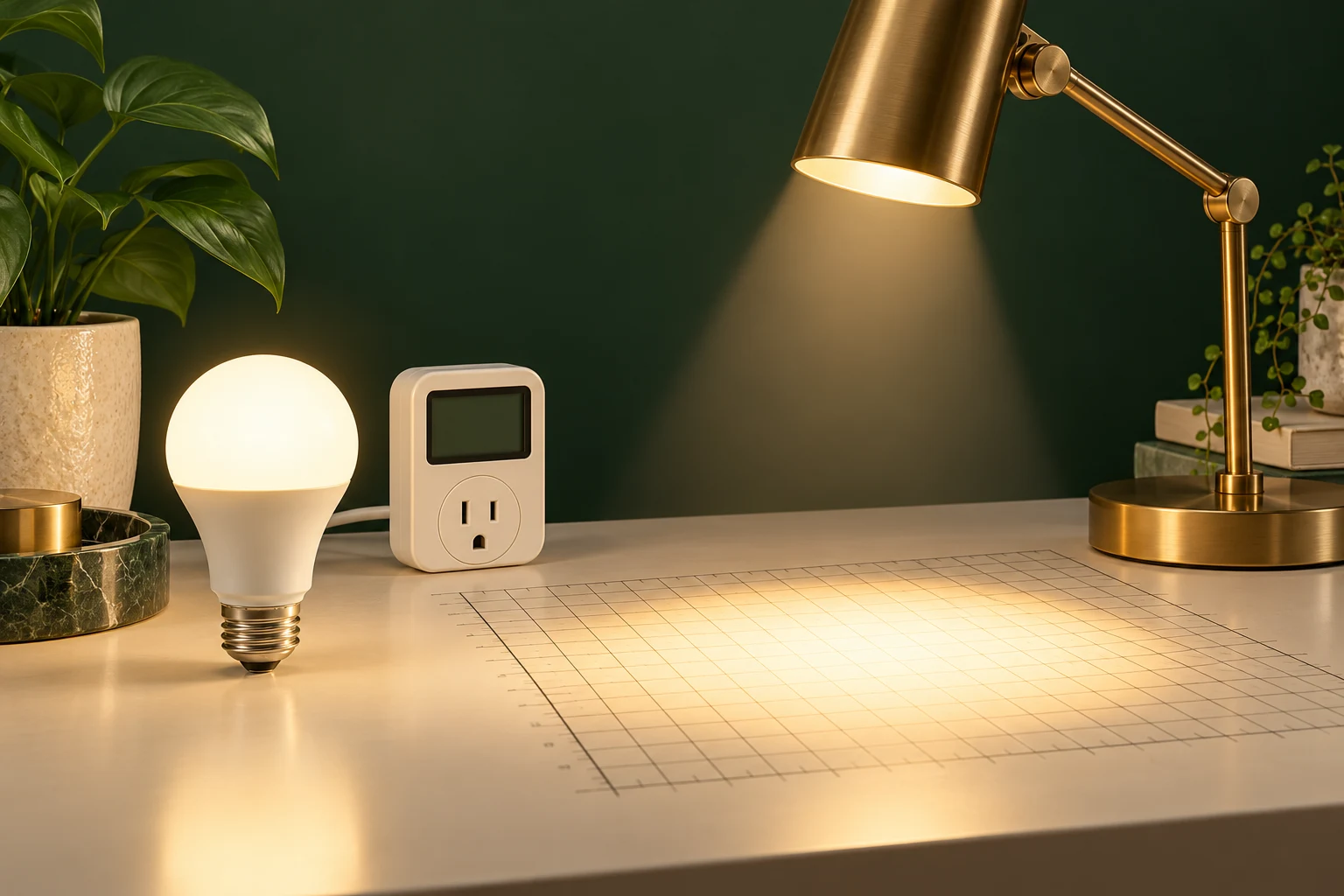
Lumens, lux and watts
Three different numbers, with formulas and examples for choosing lighting.
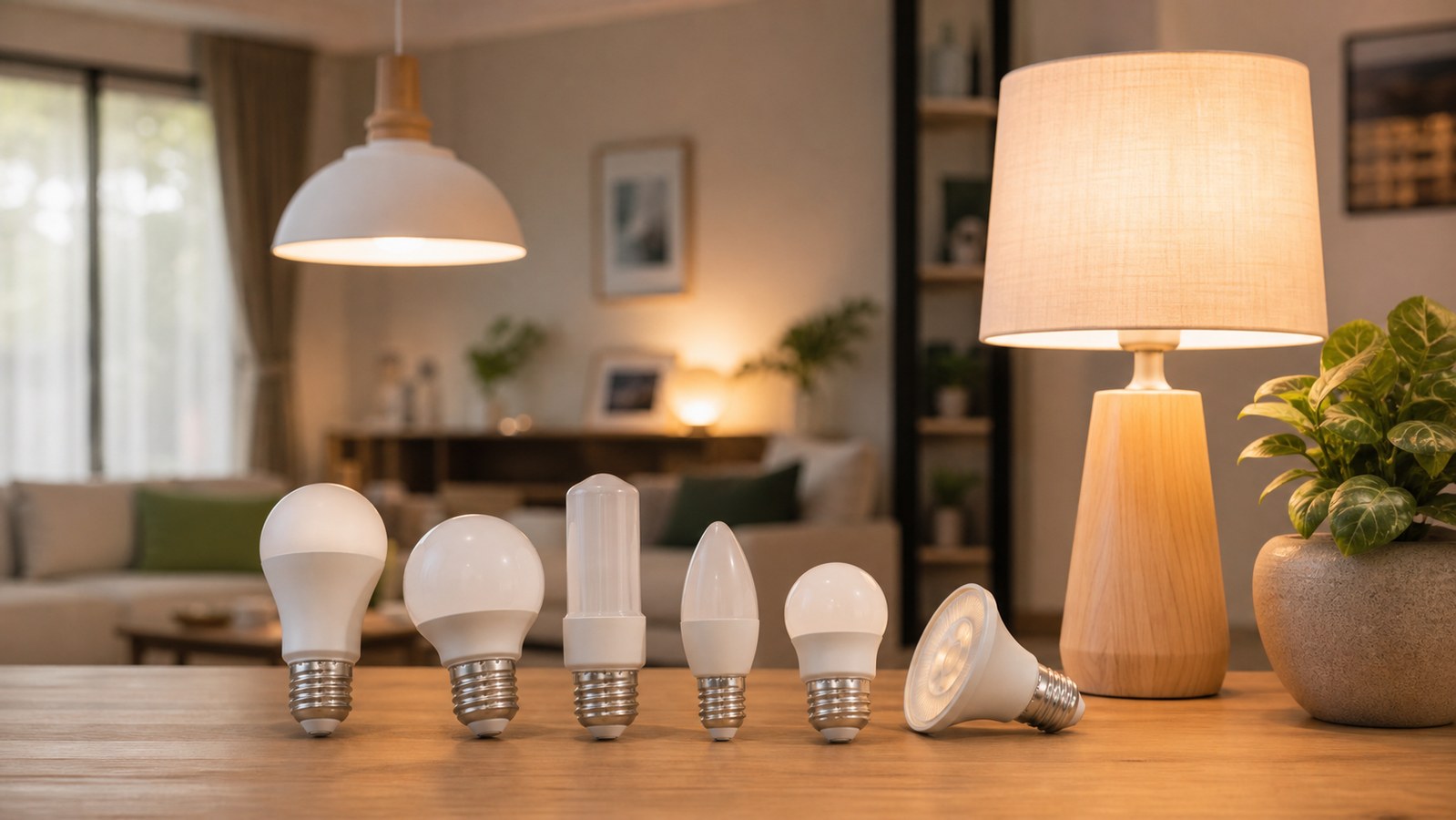
Choosing an E27 bulb for your home
Read lumens, colour temperature and CRI before buying a replacement bulb.
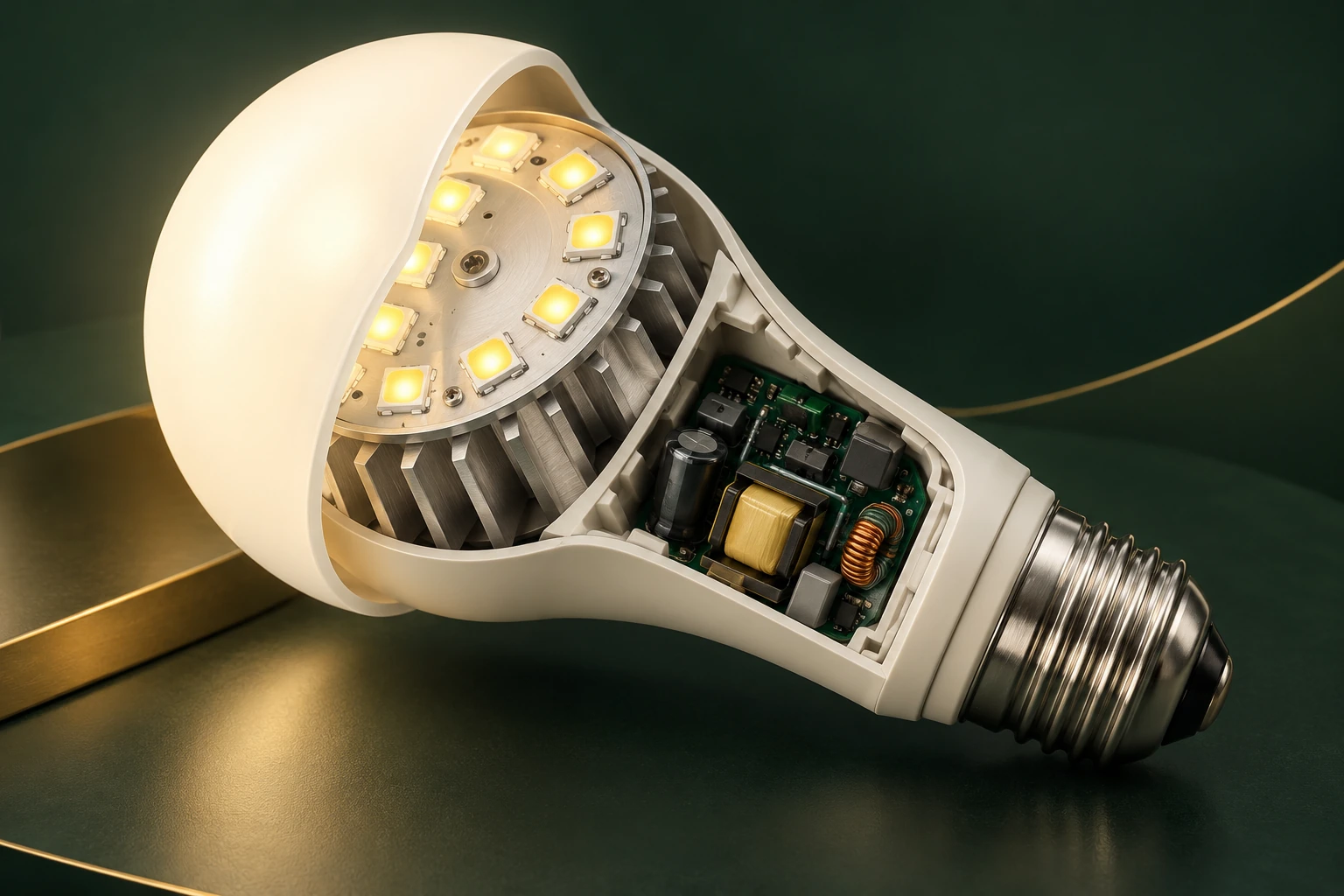
How LEDs work
Understand chips, drivers and heat before comparing LED products.
Design for real spaces
See how lighting needs change with the activity and the space.
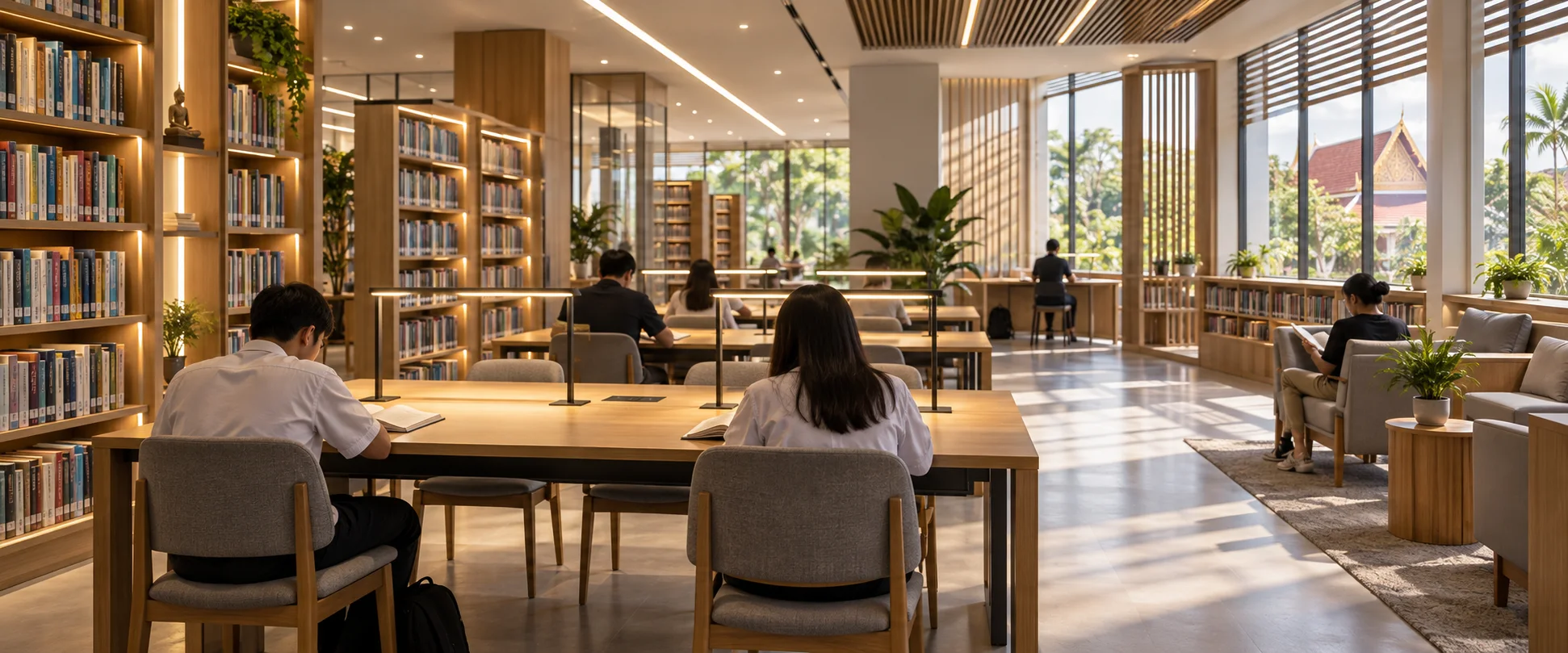
School library lighting
Plan light for reading desks, bookshelves and screens.
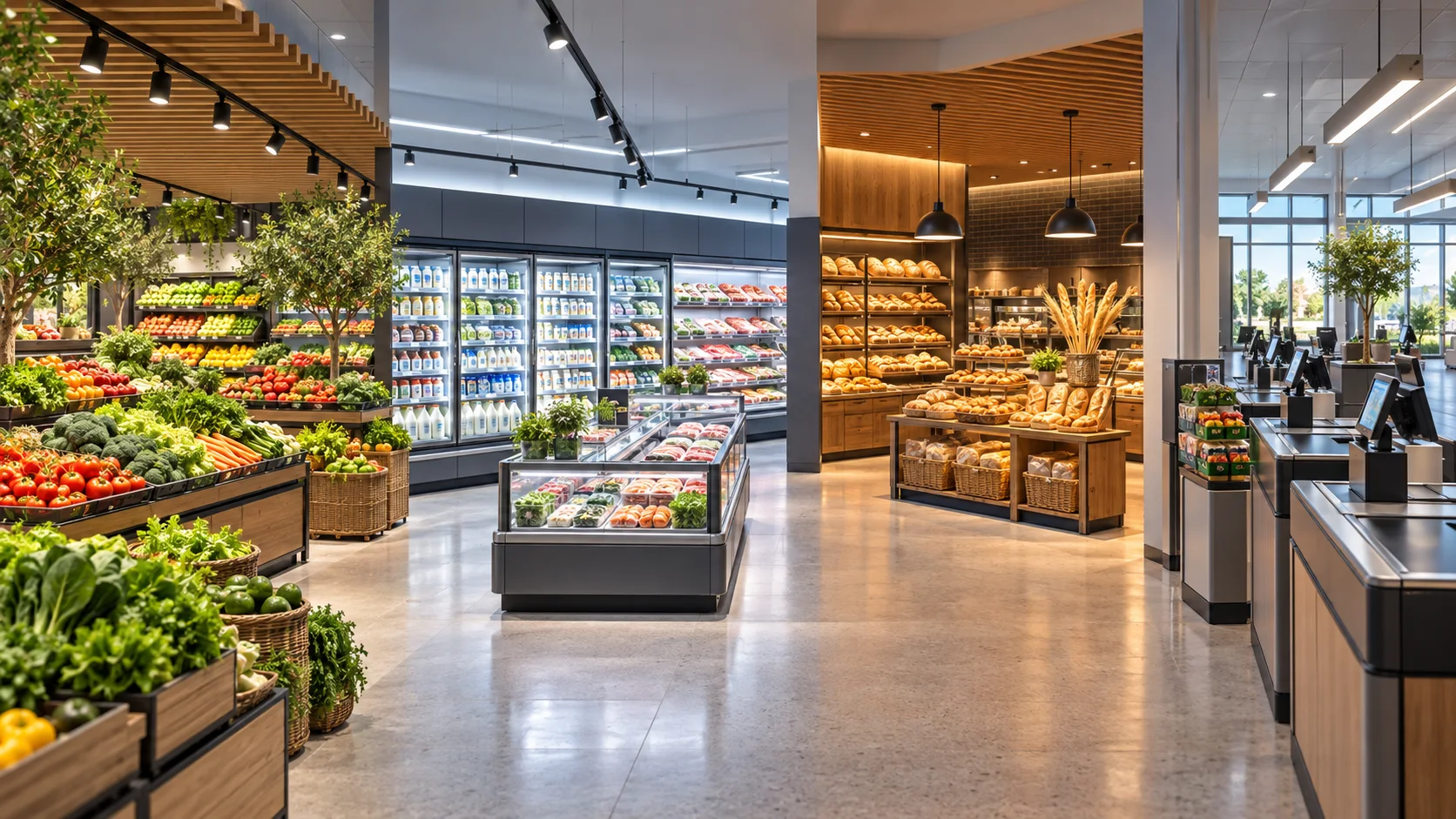
Supermarket lighting by zone
Compare lighting needs for produce, refrigerated displays, bakery and checkouts.
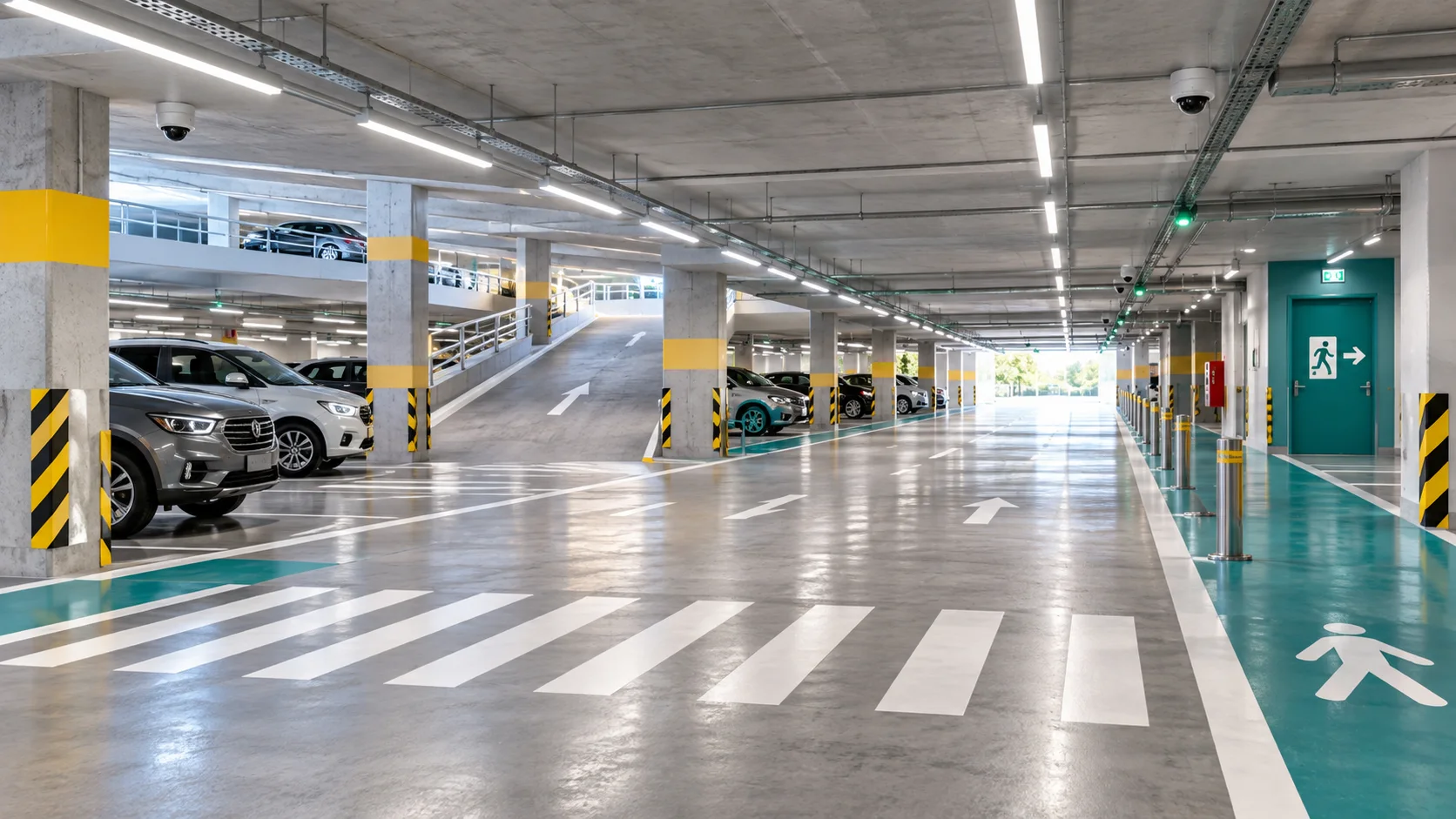
Parking garage lighting
Plan for uniformity, ramps, sensors and CCTV in parking areas.

Retail lighting design
Use ambient, accent and vertical light to make merchandise visible without glare.
Controls, quality and standards
Look beyond brightness to controls, visual quality and energy requirements.
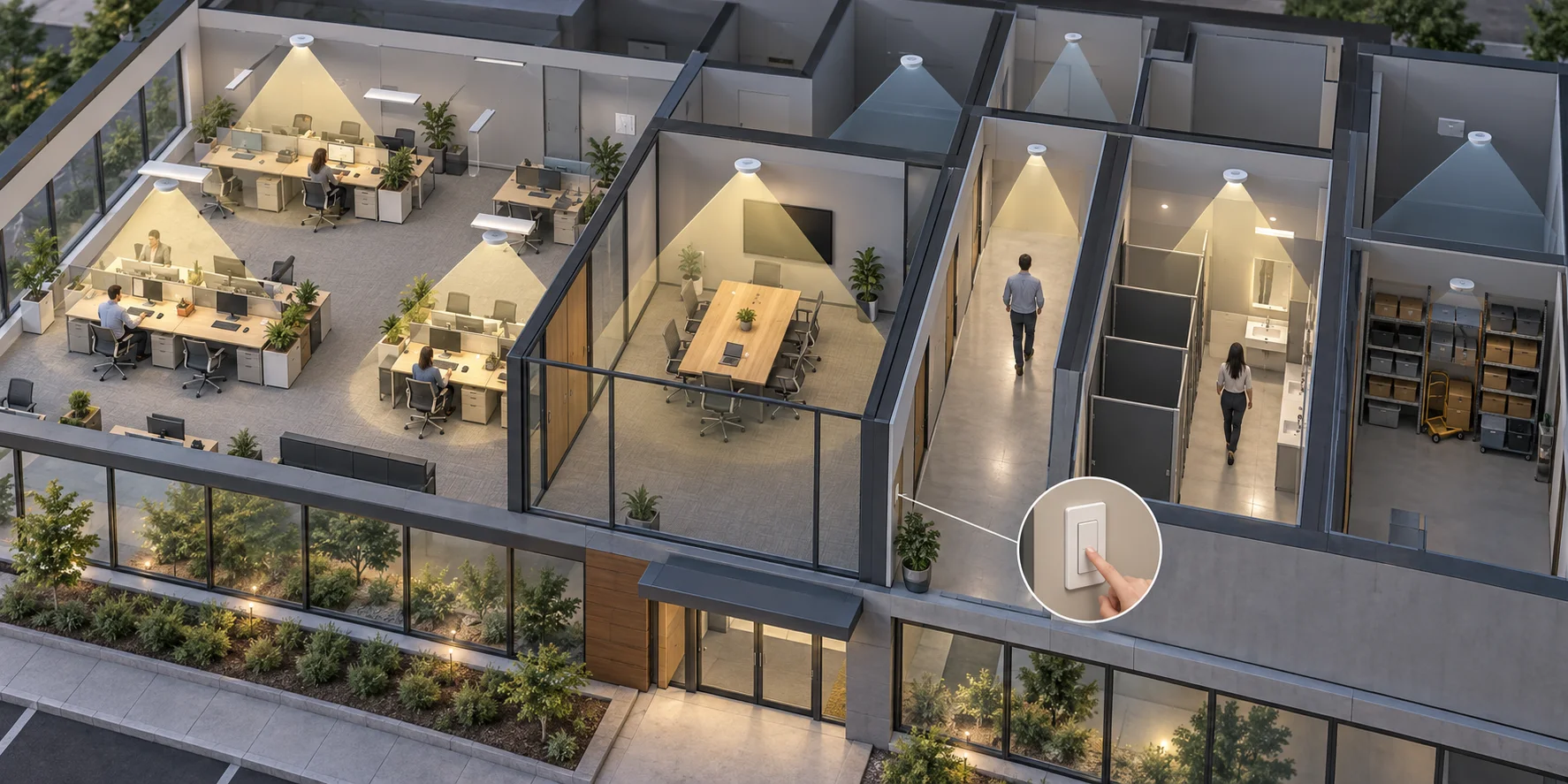
Occupancy and presence sensors
Keep lights on while people sit still and plan sensor coverage.
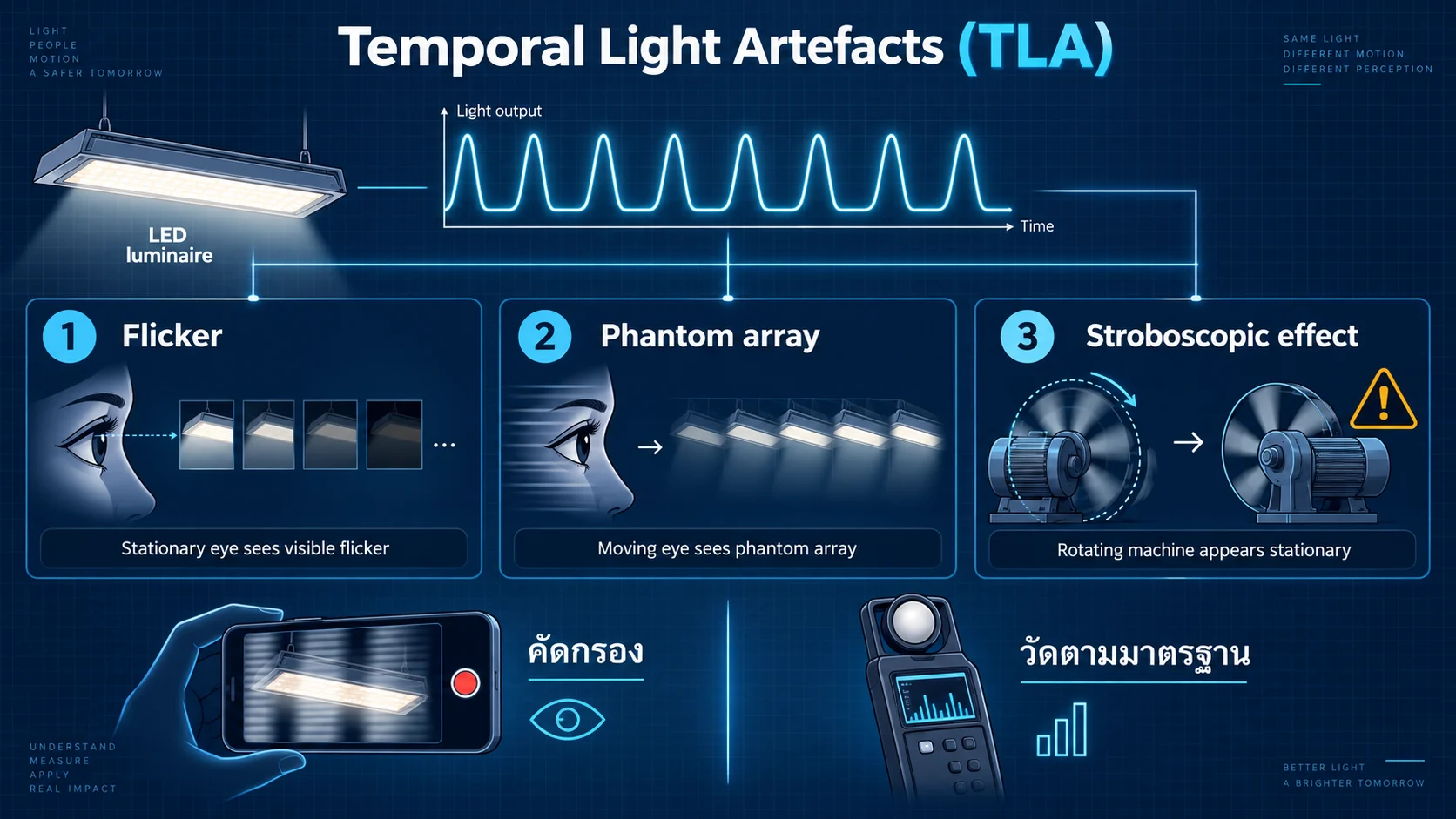
Flicker and stroboscopic effects
Understand PstLM and SVM when comparing LED lighting.
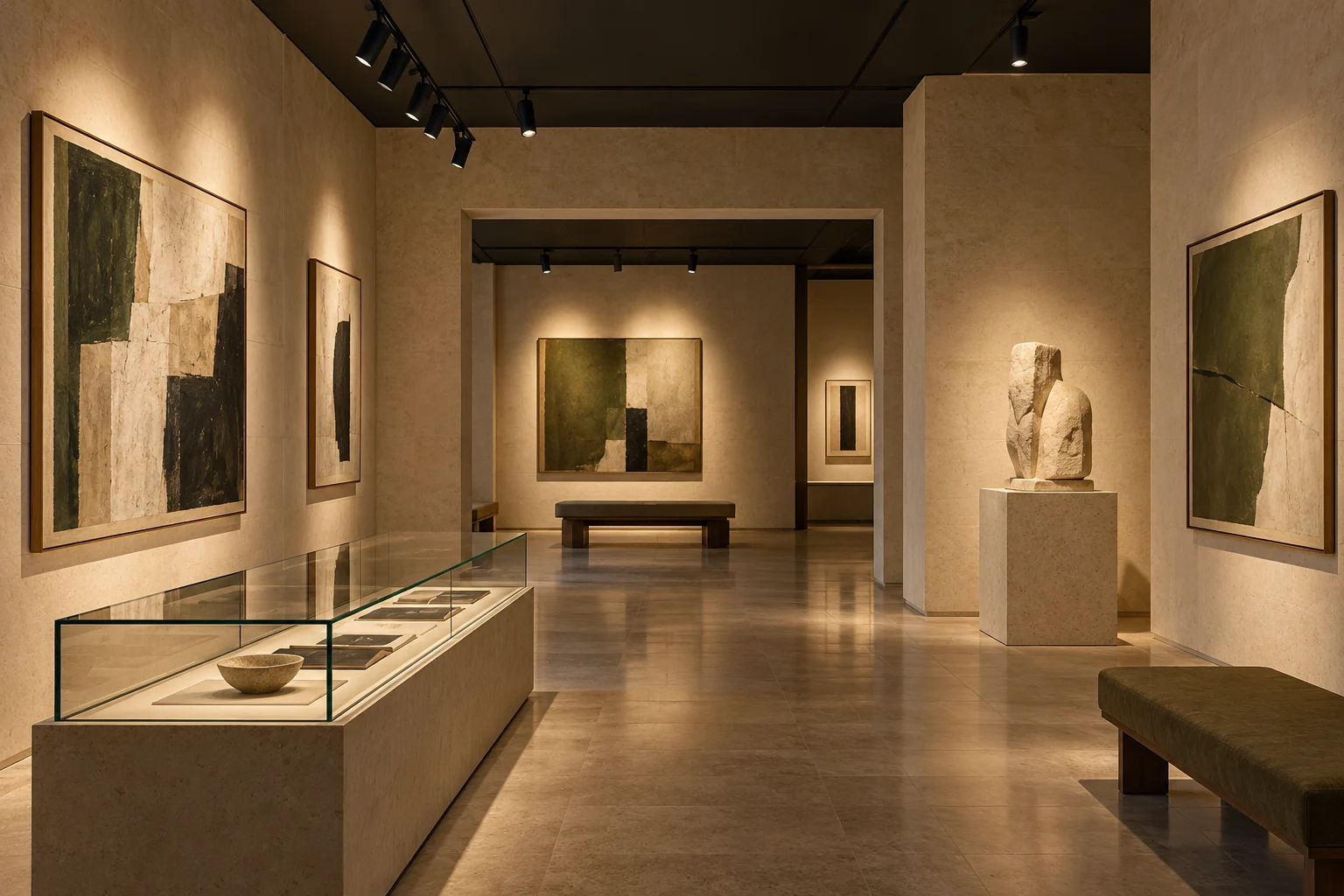
Museum and gallery lighting
Balance visibility with the need to protect sensitive artwork.
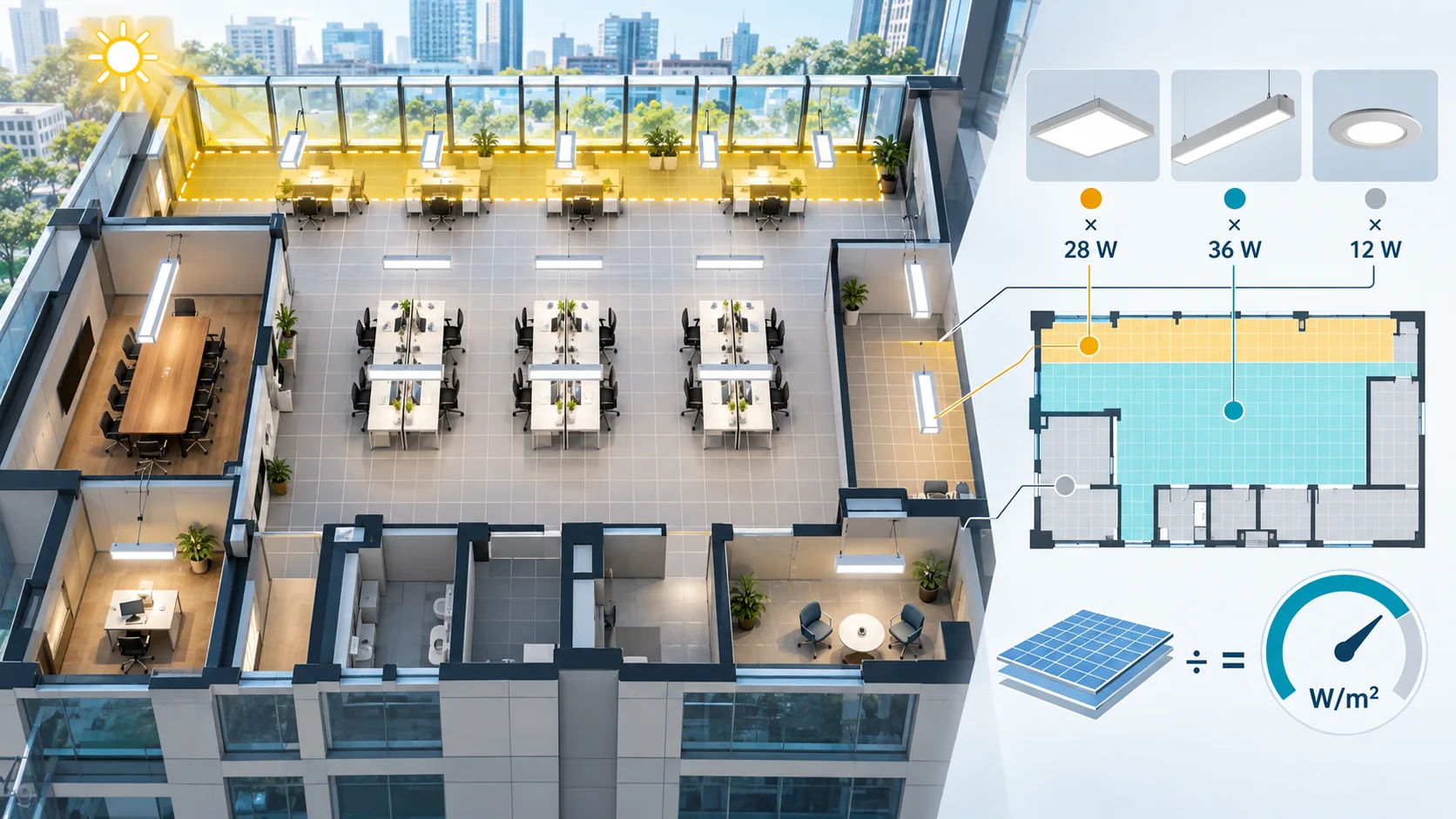
BEC and lighting power density
Use the LPD formula and understand its relationship to lighting quality.
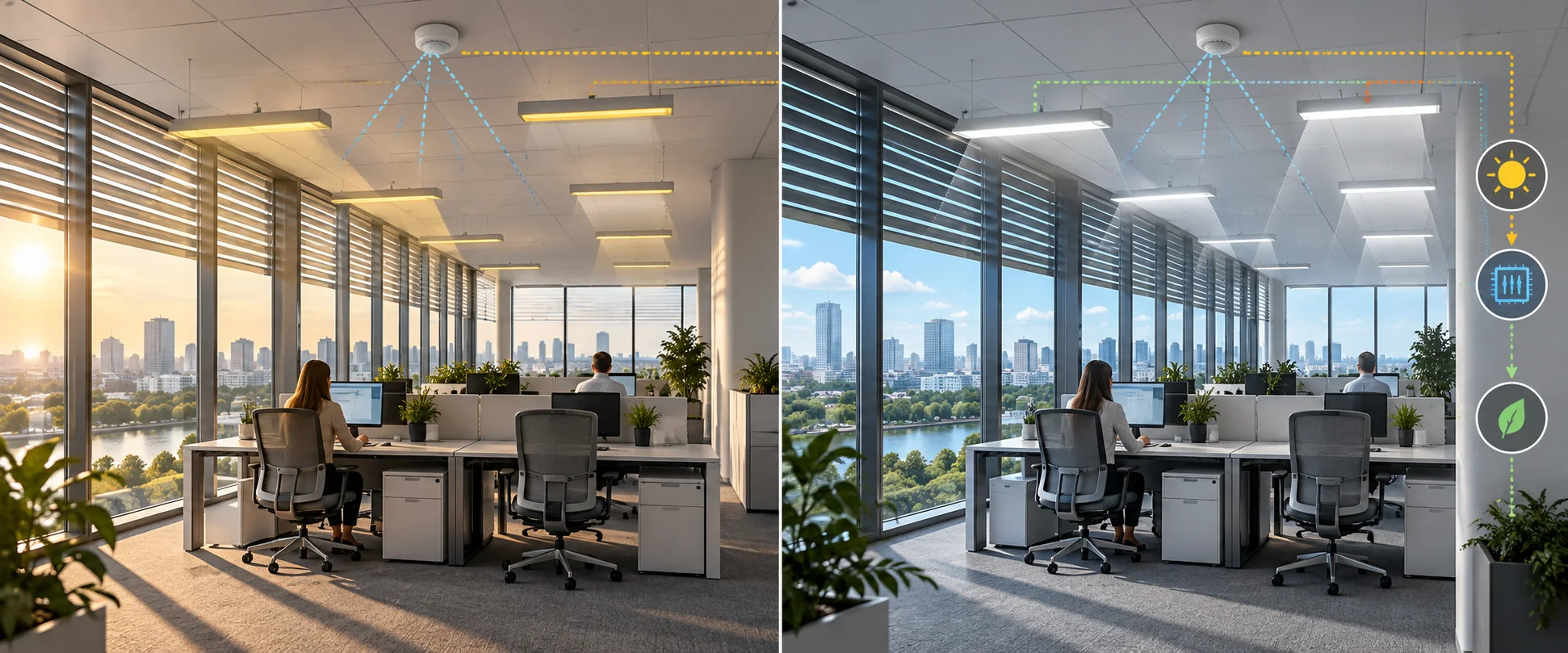
Daylight harvesting controls
Plan sensors, dimming zones and commissioning for changing daylight.